- Home
- Resources
- For Parents and Caregivers
- Communicating With Your Teen
Communicating With Your Teen
As a parent or caregiver, your words, actions, and openness create the foundation for how your child approaches life's challenges — including substance use and mental health. Starting these conversations early and maintaining open communication can make a powerful difference in your child's choices and well-being.
These resources are designed to support you in having meaningful, age-appropriate discussions with your child. Whether you're addressing curiosity about substances, checking in on emotional health, or responding to concerning behaviors, it’s important to approach each conversation with empathy, honesty, and consistency.
You don't need to have all the answers. What matters most is building trust, keeping the door open for ongoing dialogue, and letting your child know they can come to you without fear of judgment or punishment. Strong communication helps your child feel supported, understood, and empowered to make healthy decisions.
Video Public Service Announcement (PSA)
Check out this 60 second PSA from SAMHSA’s “Talk. They Hear You” campaign. More example videos about how to start the conversation about drugs and alcohol with your children can be found on the “Talk. They Hear You” YouTube channel.
Alcohol
- Ask, Listen, Learn - Underage Drinking Campaign
- Off to College? Reminders of Alcohol Awareness and Safety
- Preparing Teens for College/Independence
- Reaching Middle Schoolers
Marijuana
Prescription Medications
- 10 Tips for Talking to Your Child About Opioids
- Talking with Your Child About Opioids: Keeping Your Kids Safe
Tobacco, Vaping & E-Cigarettes
Did you know?
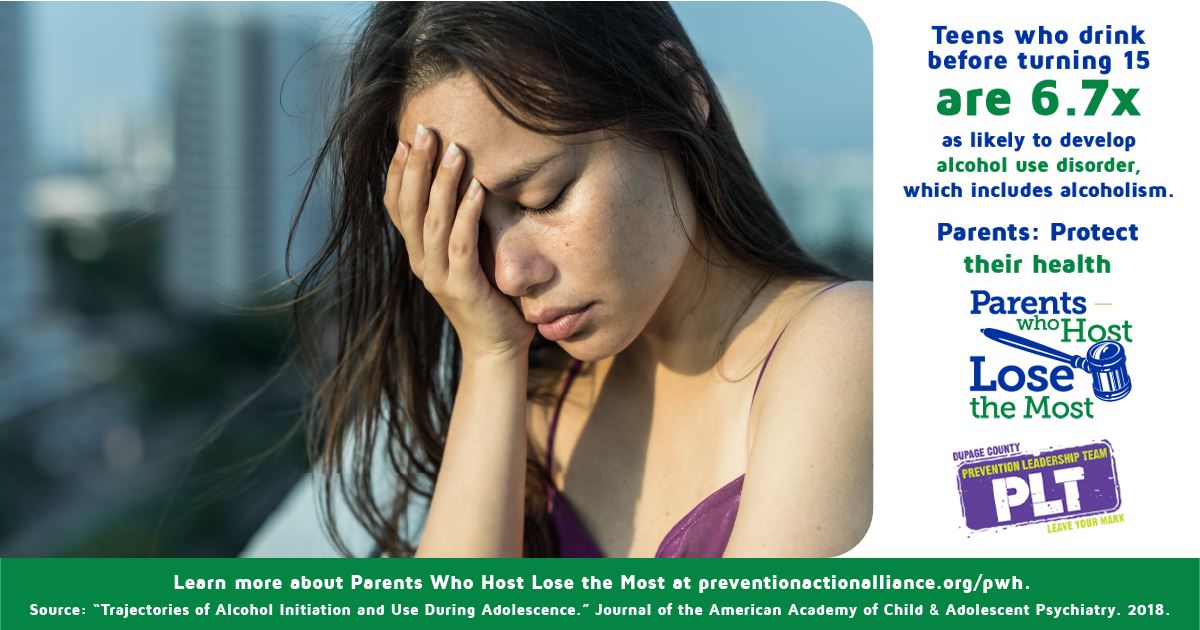
Social hosting happens when adults allow underage drinking on their property, whether or not they provide the alcohol. Many believe it’s safer to let teens drink at home, but it’s not—doing so can lead to accidents, injuries, and legal consequences.
Social host laws hold adults accountable, and violating them can result in fines or even jail time. Parents who host lose the most. Learn more at preventionactionalliance.org/pwh.